Introduction
For decades, organizations have structured their project delivery around the Waterfall methodology — a sequential, phase-gated approach that brings clarity, control, and compliance. It has served industries well, particularly in regulated environments, large-scale infrastructure, and supply chain operations where predictability is paramount.
But the pace of business has changed. Markets shift faster. Customer expectations evolve mid-project. Supply chains face real-time disruptions. And innovation leaders are being asked to do more with less — and faster. The question today is no longer “Waterfall or Agile?” It’s “How do we bring the best of both worlds together?”
The most resilient organizations aren’t choosing between structure and speed — they’re engineering environments where both can coexist.
Why Waterfall Alone No Longer Cuts It
Waterfall’s strength lies in its discipline: defined scope, sequential phases, structured governance, and clear accountability at every gate. For complex regulatory projects, capital investments, and enterprise-wide deployments, this rigor is non-negotiable.
Yet its rigidity can become a liability. When scope changes occur mid-project, and they often do, Waterfall frameworks frequently lead to costly rework, delayed delivery, or reduced scope, which undermines stakeholder confidence. For PMO leaders managing portfolios across multiple functions, this creates a persistent tension between the need for governance and the demand for speed.
Enter the Hybrid Model: Structure Meets Adaptability
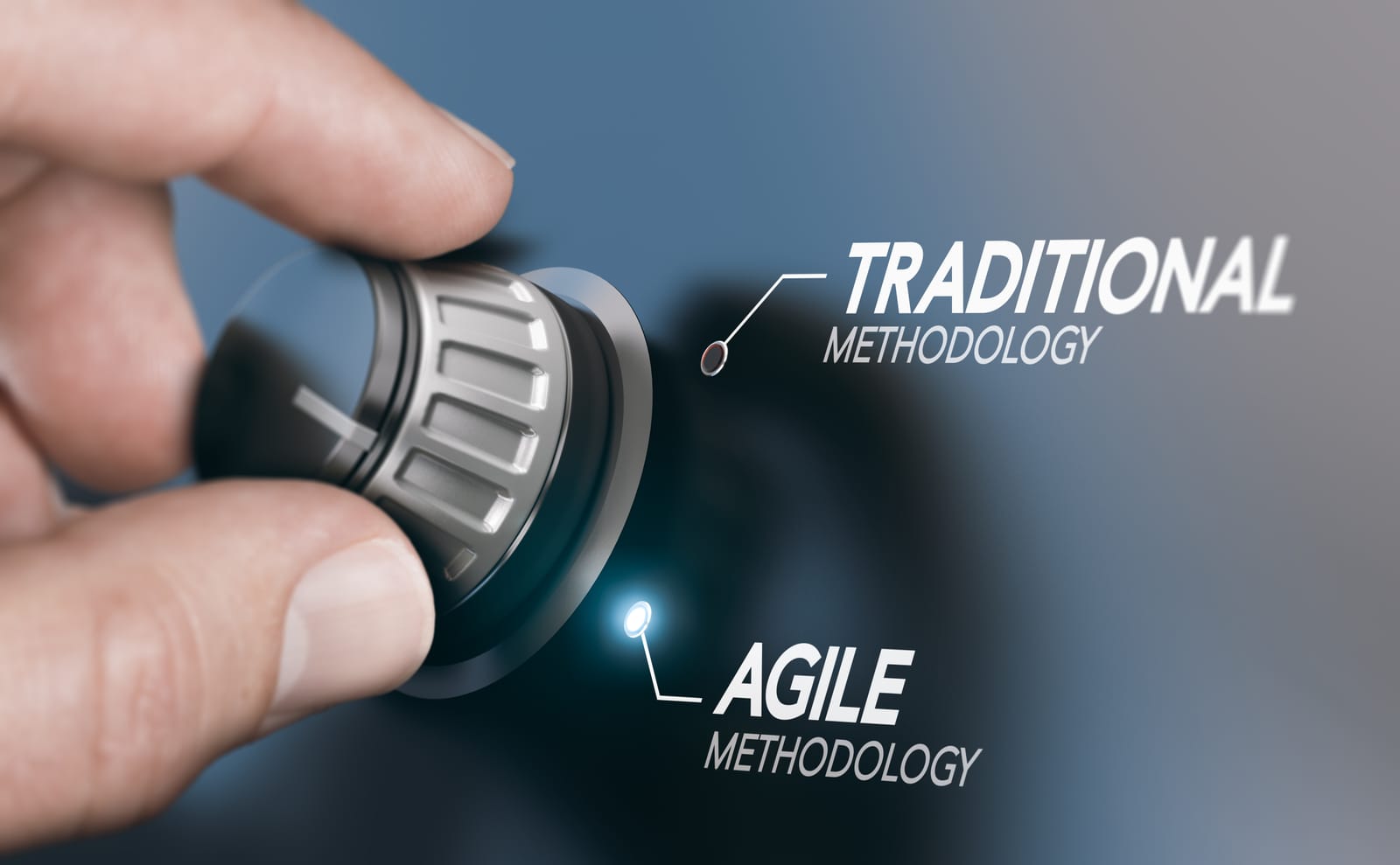
A Hybrid methodology doesn’t abandon Waterfall, it enhances it. The approach integrates Agile principles like iterative delivery, continuous feedback, cross-functional collaboration, and adaptive planning within a Waterfall governance structure.
Think of it as a Waterfall backbone with Agile muscle. The project still moves through defined phases: initiation, planning, execution, monitoring & controlling, and closure. But within those phases, work is delivered in sprints, tested continuously, and adjusted based on real data rather than waiting for the next stage gate to surface problems.
For Program Managers and PMO Directors, this translates to projects that are both trackable and responsive. This is a meaningful shift from the traditional “plan-then-execute-then-learn” cadence to a “plan-execute-learn-adjust” rhythm that happens in near real time.
Practical Integration: Where Agile Fits Inside Waterfall
Successful integration isn’t about implementing Agile universally; it’s strategically placing it where it will be most effective. Here’s where Agile sprint cycles deliver maximum value within a Waterfall framework:
Requirements & Discovery
Rather than relying on a static requirements document, teams engage in discovery sprints. This iterative process involves stakeholders in identifying needs, testing assumptions, and refining the scope before finalizing the baseline. This significantly reduces expensive late-stage changes.
Development & Build Phases
Within the execution phase, Agile sprints allow teams to build, test, and validate incrementally. Defects are caught earlier, feedback loops shorten, and teams can respond to scope adjustments without derailing the broader project timeline.
Innovation & Product Streams
Innovation Leaders managing R&D or digital transformation initiatives benefit most from Agile’s iterative nature. Rather than committing fully to a multi-year roadmap, teams can validate concepts early, pivot based on market feedback, and protect capital allocation from being tied to unproven ideas.
The Business Case: Benefits of Going Hybrid
The strategic advantages of Hybrid and Agile integration extend well beyond project delivery. They translate directly into measurable business outcomes:
1. Faster Time to Value
Iterative delivery gets working outputs into stakeholders’ hands sooner, enabling earlier ROI realization and faster decision-making cycles.
2. Reduced Project Risk
Continuous testing and feedback loops surface risks earlier, when they’re cheaper and easier to resolve, rather than at final delivery.
3. Greater Stakeholder Confidence
Regular sprint reviews and transparent progress reporting keep executives and sponsors informed and engaged throughout the project lifecycle.
4. Improved Team Performance
Cross-functional sprint teams build collaboration and accountability, reducing handoff delays and silos common in traditional Waterfall structures.
5. Adaptive Resource Allocation
Hybrid models allow PMO leaders to reallocate capacity dynamically across workstreams based on real-time priority shifts and business needs.
6. Supply Chain Resilience Agile cadences within supply chain projects enable faster supplier pivots, demand signal responses, and disruption mitigation without breaking governance protocols.
What Leaders Need to Get Right
Hybrid methodology succeeds or fails at the leadership level. Senior executives and PMO leaders must align on a few non-negotiables:
Define the governance layer clearly. Agile flexibility must operate within defined boundaries; stage gates, budget authorities, and compliance checkpoints remain intact. The sprint cadence serves the governance structure, not the other way around.
Invest in change management. Teams trained exclusively in Waterfall will resist change. Upskilling project managers in Agile facilitation, backlog management, and sprint dynamics is not optional; it’s foundational.
Align metrics to the model. Traditional Waterfall KPIs, such as percent complete and milestone adherence, need to be supplemented with Agile metrics like velocity, sprint burn-down, and cycle time. Senior leaders require visibility into both sets of metrics.
Start with a pilot. Rather than transforming the entire portfolio, identify one program where Hybrid delivery can be piloted, measured, and refined. The lessons learned become the blueprint for broader adoption.
The Strategic Imperative
Organizations that rely solely on the Waterfall methodology may struggle to keep pace with today’s fast-changing environment, not because Waterfall itself is flawed, but because the complexities of modern business require both structure and speed. Integrating Hybrid and Agile methods is not just a passing trend; it has become a strategic capability that distinguishes high-performing organizations from those that consistently fall behind schedule and exceed budgets.
For senior executives, it’s a competitive advantage. For PMO leaders, it’s an evolution of the delivery office. For project and program managers, it’s a career-defining capability. For supply chain and innovation leaders, it’s the difference between reacting to change and leading through it. The organizations winning today aren’t debating which methodology is better. They’ve moved on and built the capability to use both.
Key Takeaway for Leaders: Hybrid methodology is not merely a compromise; it is a deliberate design choice. When thoughtfully structured, it provides the predictability of Waterfall alongside the responsiveness of Agile, creating a delivery environment that is both manageable and adaptable to change.
Ready to Find Your Gaps Before They Find You?
Knowing that Hybrid and Agile integration matters is only half the equation. The harder question is: where does your organization stand right now, and what’s holding you back from delivering faster, with less risk?
At New Oaks Consulting, we don’t just hand you a static report. We offer a hands-on methodology assessment where we come alongside your management and project teams to understand your unique delivery environment. In a focused engagement, we evaluate your current model, surface the critical gaps between your governance structure and execution reality, and partner with you to prioritize exactly what to fix first.
What you’ll walk away with:
A clear understanding of where your operating model is holding Agile back.
Actionable solutions to prioritize the necessary fixes without disrupting current operations.
A practical roadmap for enterprise agility that your teams will actually embrace.
No lengthy RFPs. No ambiguity. Just a focused partnership that tells you exactly where to start, bringing professional, positive energy to your delivery transformation. The first step takes less than five minutes.
Need Help Now?
Reach out to us through the contact form at newoaksconsulting.com and let’s start with what matters most to your business.”
Read More
Stay informed with the latest updates and insights from the digital world